Diamond cut alloy wheels are a popular choice for modern vehicles because of their distinctive appearance. Their polished metal surfaces and contrasting painted sections create a premium finish that can make a vehicle stand out.
However, everyday driving can leave these wheels looking worn. Kerb damage, scratches, corrosion and peeling lacquer can gradually affect their appearance.
Fortunately, professional diamond cut alloy wheel refurbishment can restore suitable wheels and help bring back their original appearance.
In this guide, we explain how the diamond cutting process works, what benefits it offers and when your wheels may need professional attention.
What Are Diamond Cut Alloy Wheels?
Diamond cut alloy wheels have a distinctive finish created using specialist computer-controlled machinery.
A very thin layer of material is removed from the outer face of the wheel using a precision cutting tool. This exposes the bright aluminium underneath, creating a smooth, reflective surface.
Many diamond cut wheels also feature painted sections between the machined areas, creating an attractive two-tone appearance.
This finish is commonly found on premium, luxury and performance vehicles.
What Causes Diamond Cut Alloy Wheel Damage?
Although diamond cut wheels look impressive, their protective finishes can become damaged through everyday use.
Some common causes include:
- Kerb damage: Contact with pavements can leave scratches and marks around the outer edge.
- Road debris: Small stones and other debris can damage the protective lacquer.
- Corrosion: Moisture entering beneath damaged lacquer can cause white patches and deterioration.
- Weather exposure: Rain, road salt and changing temperatures can affect the protective coating.
- Poor cleaning practices: Unsuitable chemicals and abrasive cleaning equipment may damage the finish.
Regular cleaning and careful driving can help maintain your wheels, but existing damage may require professional refurbishment.
How Does Diamond Cut Alloy Wheel Refurbishment Work?
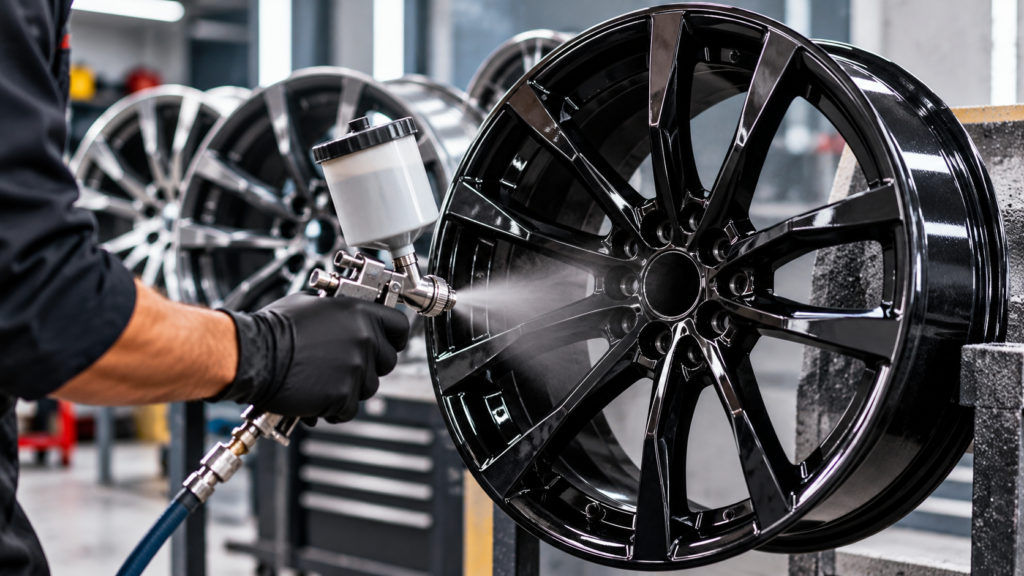
Professional diamond cut refurbishment involves several stages. The exact process depends on the wheel’s design and condition.
1. Initial Wheel Inspection
The first step is inspecting the wheel to identify scratches, kerb damage, corrosion and any previous repairs.
The specialist also checks whether the wheel is suitable for another diamond cutting process.
This is important because only a limited amount of material can safely be removed from the wheel face.
2. Removing the Existing Finish
Where required, the existing paint and damaged lacquer are removed to prepare the wheel for refurbishment.
The surface must be properly prepared to ensure a consistent final finish.
3. Surface Preparation
The wheel is cleaned and prepared before machining.
Any suitable cosmetic imperfections are addressed as part of the preparation process.
4. Precision CNC Diamond Cutting
The prepared wheel is mounted onto specialist CNC diamond cutting machinery.
The machine follows a programmed cutting path to remove a very thin layer from the outer face, exposing the fresh aluminium underneath.
This creates the distinctive polished appearance associated with diamond cut alloy wheels.
5. Applying Protective Lacquer
After machining, a suitable protective lacquer is applied to help protect the exposed aluminium surface.
This is an important stage because the machined surface needs protection against moisture and environmental contamination.
6. Final Quality Inspection
The refurbished wheel is inspected to check the finish and overall appearance.
Once the refurbishment is complete, the wheel can be prepared for refitting where appropriate.
What Are the Benefits of Diamond Cut Alloy Wheel Refurbishment?
There are several reasons why drivers choose professional diamond cut refurbishment.
Restores the original appearance: Suitable damaged wheels can regain their distinctive polished finish.
Improves vehicle appearance: Freshly refurbished wheels can make an older vehicle look cleaner and better maintained.
Retains the original design: Refurbishment allows you to keep your existing wheel design rather than automatically replacing the entire set.
Addresses cosmetic damage: Suitable scratches, kerb marks and finish deterioration can be treated during the refurbishment process.
Can All Diamond Cut Alloy Wheels Be Refurbished?
No. Not every diamond cut alloy wheel is suitable for refurbishment.
Wheels that have previously undergone diamond cutting may have limited material remaining. Further machining could compromise their structural integrity.
Wheels with severe cracks, significant deformation or extensive corrosion may also require replacement.
This is why a professional inspection is important before starting any refurbishment work.
How Can You Maintain Diamond Cut Alloy Wheels?
Once your wheels have been refurbished, regular maintenance can help preserve their appearance.
Here are some useful tips:
- Clean your wheels regularly using a suitable wheel cleaner.
- Avoid harsh chemicals and abrasive brushes.
- Remove brake dust and road contamination before heavy build-up occurs.
- Avoid scraping the wheels against kerbs.
- Check for scratches, bubbling lacquer and signs of corrosion.
- Follow the recommended care instructions for your wheel finish.
Taking care of your wheels can help maintain their appearance for longer.
Professional Diamond Cut Alloy Wheel Refurbishment in Slough
At Slough Wheel Refurbishment, we provide professional alloy wheel refurbishment services for a variety of vehicles.
Our services include diamond cut refinishing, powder coating, custom colour changes, alloy wheel repairs and tyre fitting.
Whether your wheels have kerb damage, scratches, corrosion or a worn finish, our team can help assess their condition and discuss suitable refurbishment options.
We aim to help customers restore the appearance of their alloy wheels with professional finishing solutions.